Putting Menopause on The Map | January 21, 22 & 26, 2026 @Chautauqua Community House
Three nights. One mission. A room full of women ready to rewrite what midlife looks like.
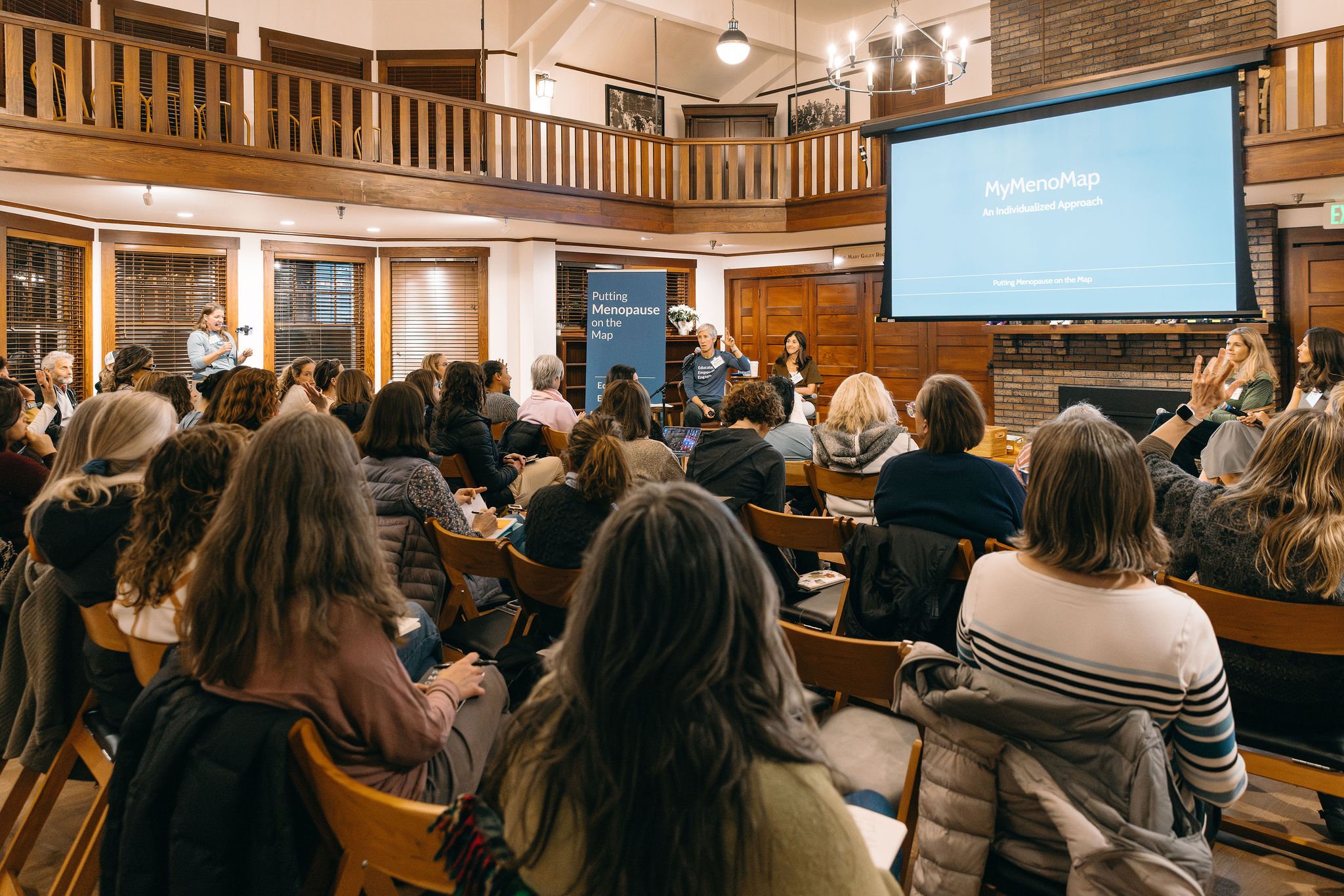
The January 2026 edition of Putting Menopause on The Map was a three-night deep dive at the Chautauqua Community House into everything the healthcare system never taught us about menopause — and everything we wish our mothers could have told us. Moderated by founder Katie Brodnik with her signature blend of warmth, wit, and zero tolerance for confusion, this series transformed complex medical science into knowledge women could actually use.
Night 1: The Medical Foundation kicked off with the fundamentals — what menopause actually is, what perimenopause looks like (hint: it can last 7 to 14 years), and why your hormones are doing what they're doing. The panel dismantled the lingering shadow of the Women's Health Initiative study, explaining how outdated fears about hormone therapy have kept women from treatments that could genuinely change their quality of life. Attendees learned about modern hormone therapy options, the critical mental health impacts of hormonal fluctuations — including depression, anxiety, and ADHD symptoms that emerge or worsen at midlife — and why bone health and genitourinary care deserve attention now, not later. The evening closed with a clear message: you deserve a provider who listens, and the tools to know what to ask for.
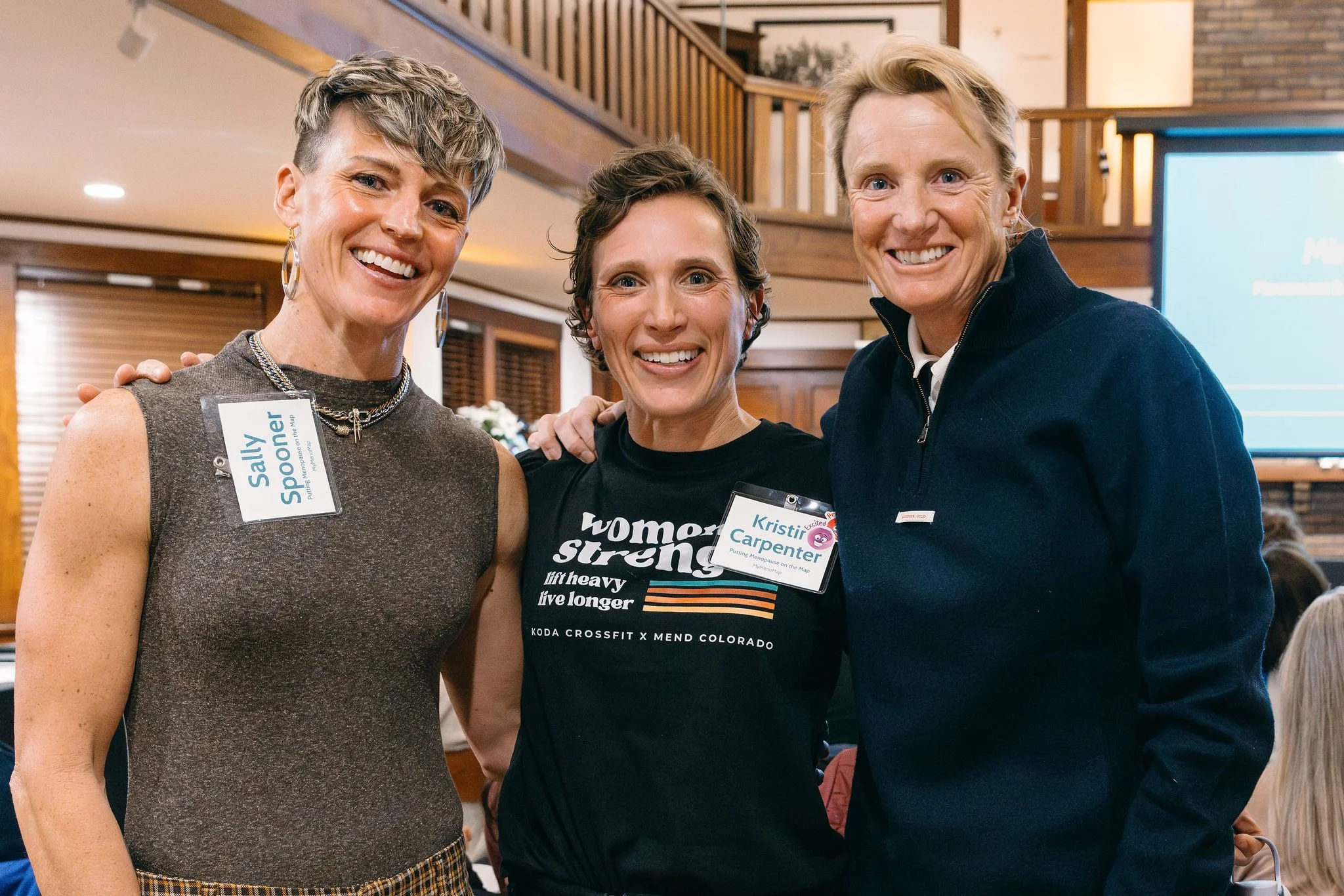
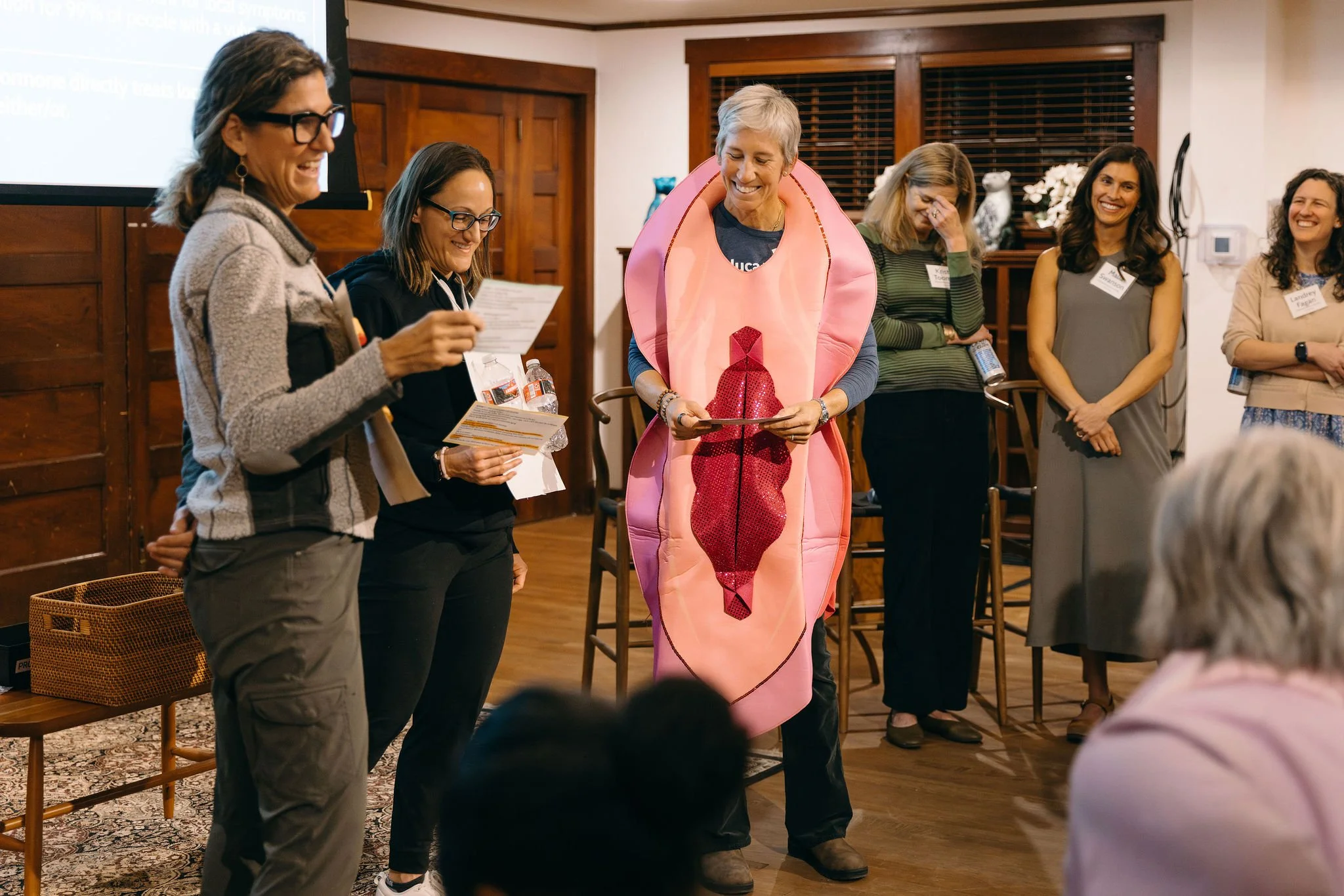
Night 2: The Body was all about reclaiming physical strength and confidence. Three local fitness experts made the case for why strength training is non-negotiable for aging well — and debunked the myth that it has to mean heavy barbells (though it can). A pelvic floor physical therapist had every woman in the room rethinking what she thought she knew about incontinence, prolapse, and pelvic health, while handing out mirrors for a self-awareness exercise that was equal parts empowering and revelatory. The conversation then turned to vaginal estrogen — proper application, dosing, and why only 14% of women who need it are using it. The night wrapped with an open, honest discussion about sexual health, libido, and the therapies available to help women thrive in this department, too.
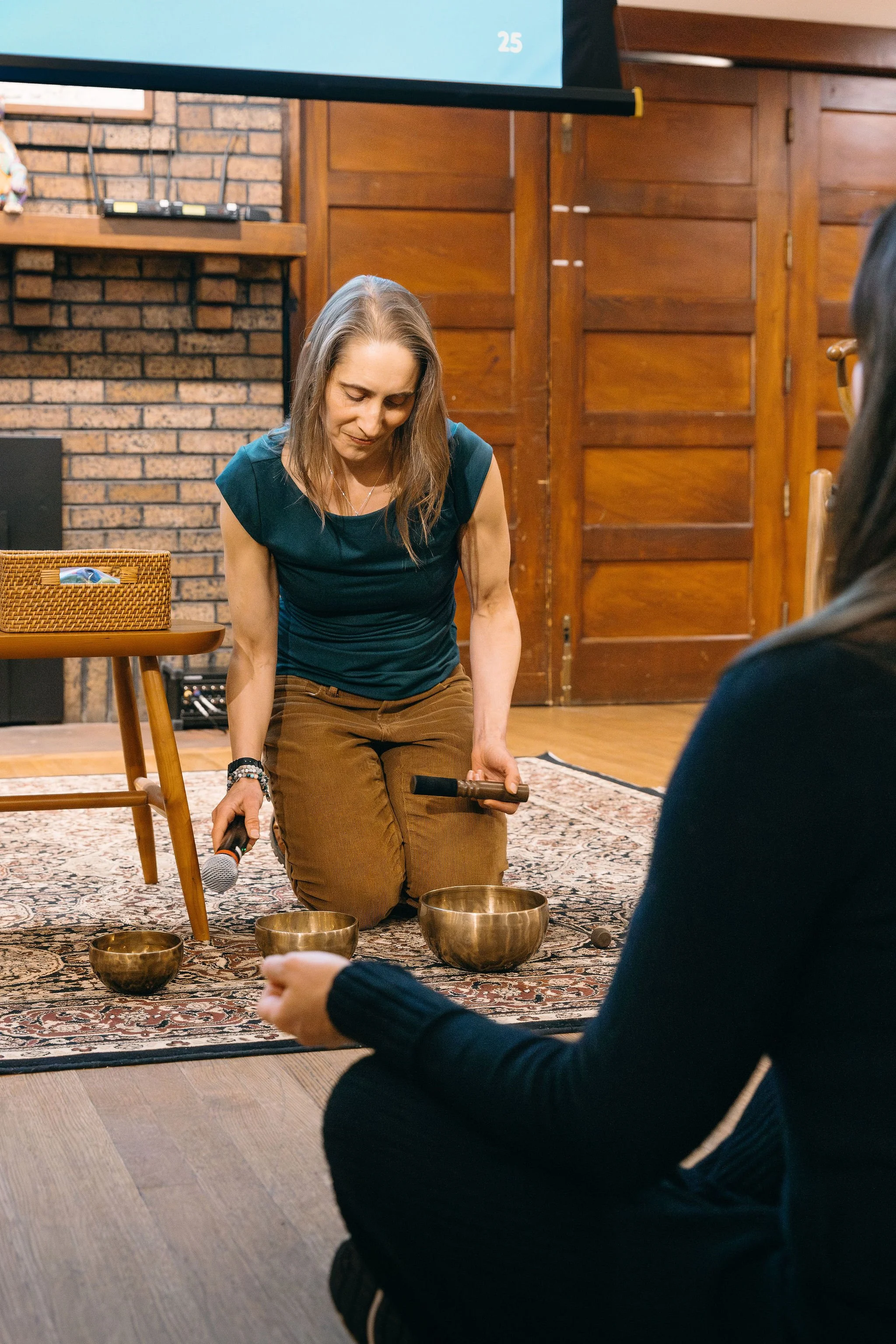
Night 3: The Metabolic Picture connected the dots between menopause and the rest of your health. A metabolic health coach reframed symptoms as signals — smoke, not fire — and introduced practical tracking tools from simple journals to wearable glucose monitors. The panel tackled sleep disruption (and why cognitive behavioral therapy beats sleeping pills), bone density (and why a $50 DEXA scan could save your independence), cardiovascular risk (the number one killer of women, and how menopause shifts the equation), and brain health (including the sobering reality that two-thirds of Alzheimer's patients are women). Through it all, a mindfulness practice anchored the evening in self-compassion, and the room buzzed with the energy of women connecting, sharing, and supporting each other.
What Made This Series Special
Evidence-based education from local experts — not influencers, not supplement companies, but the doctors, nurses, therapists, and coaches who actually treat women in our community.
A personalized menopause map — every attendee left with a framework to understand their unique journey and the vocabulary to navigate it with confidence.
Community that goes beyond the room — with a 95% survey response rate, peer connections, and the kind of candid conversation that turns strangers into allies.
Katie's five gateway actions — mirror, squats, DXA scan, vulvar care, and community. Simple, powerful, and life-changing.
The reminder we all needed — that the second half of life can be better than the first, if we show up for ourselves with knowledge, confidence, and each other.
Featured Experts
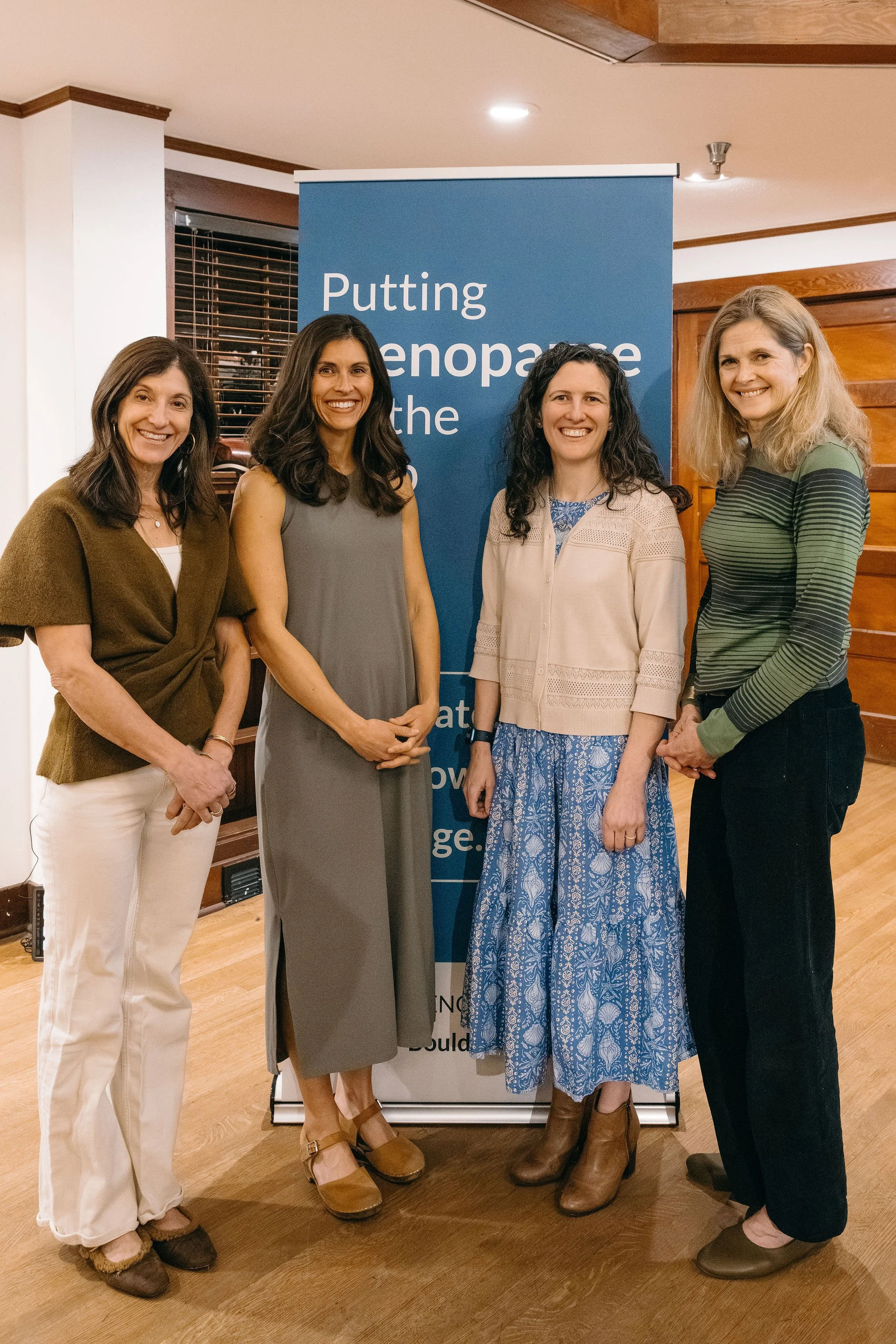
The series featured a multidisciplinary team of Boulder-area providers including board-certified family medicine physicians, OB-GYNs, internal medicine specialists, naturopathic doctors, pelvic floor physical therapists, certified health coaches, licensed mental health professionals, registered dietitians, and strength and conditioning coaches — all united by the belief that menopause care should be informed, individualized, and empowering.